
The benefits of games
Tweens and teens might not want to play a simple board game, deeming it to be too “babyish” (although others think they look great fun!). However, they are usually happy to play card games such as dominoes and many love the challenge of completing musical puzzles.
Adults usually want to feel that they are doing “proper grown-up learning.” This is where flashcards really come into their own. Any cards form memory pairs, snap and other similar games can double as flashcards. Adults still like to have an element of challenge and competition so try seeing how many flashcards they can get right in a row or in two minutes. Make a note of their scores and they can try to beat them in the next lesson.
Case study: Tom
 15-year-old Tom enjoys playing the piano but he is preparing for his exams so he is sometimes too tired to do lots of serious piano practice. He likes to complete musical puzzles like musical notation word searches and dominoes, and these help him to remember his music when he doesn’t have much time to practice. Sometimes Tom does a musical quiz as part of his music homework because they are quick to complete. We then fill gaps in his knowledge in his piano lessons.
Case study: Annie

Annie has started playing the piano in retirement. It is her first instrument so she is learning everything from scratch. Annie needs to practise reading musical notation and identifying the pitches. She doesn’t use lots of apps on her phone or like to spend much time looking at a screen. Annie likes to use musical flashcards to help her learn the notes. She likes to feel she is progressing so she starts every practice session by seeing how many notes she can name in two minutes and makes a note so she can aim for a higher score next time. Once she has learnt a good range of notes she will move on to flashcards for key musical words.
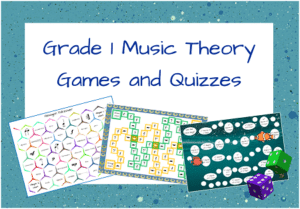
The Grade 1 Theory Pack contains games, flashcards and quizzes to cover all the basics.

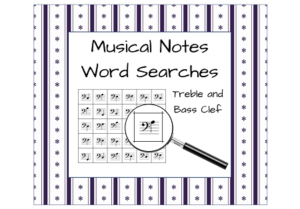 The Musical Notes Word Searches are great puzzles for thinking about the written pitches.
The Musical Notes Time Challenges are great for quick bursts of concentration.